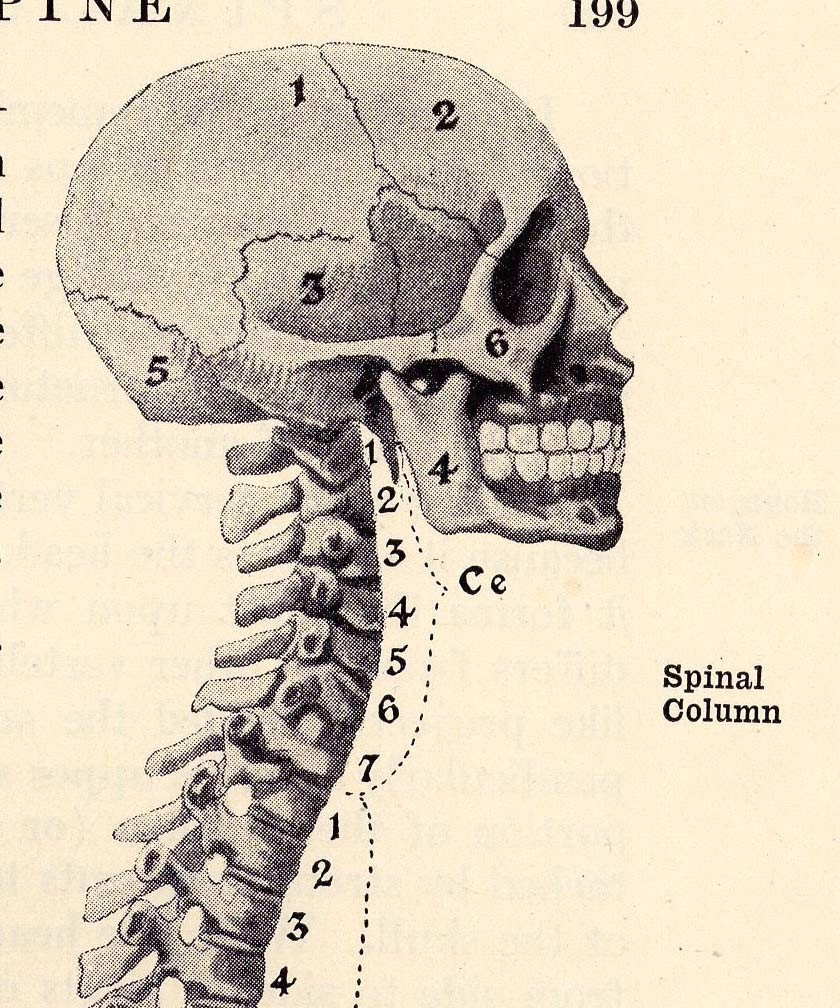
Back Of Skull Anatomy - Head and Neck | Basicmedical Key. It is comprised of many bones, formed by intramembranous ossification, which are joined together by sutures (fibrous joints). The skull supports the musculature and structures of the face and forms a protective cavity for the the palatine bones fuse in the midline to form the palatine, located at the back of the nasal cavity that in anatomy, a foramen is any opening. The base of the skull (or skull base) forms the floor of the cranial cavity and separates the brain from the structures of the neck and face. Skull anatomy divides this patchwork of bones into two categories: This anatomic region is complex and poses surgical challenges for otolaryngologists and neurosurgeons alike.
Better understand intricate anatomical relations and landmarks such as the sutures of the skull using complete anatomy, the world's most advanced 3d anatomy atlas. The occipital muscle is cupped like a saucer to accommodate the back part of the brain. The skull is the bony skeleton of the head. The skull begins to form prior to week 12 of embryogenesis. Learn more about the anatomy and function of the skull in humans and other vertebrates.
The Human Skull Anatomical Chart | Anatomy Lessons | Pinterest | Human skull, Anatomy and Nurse ... from s-media-cache-ak0.pinimg.com The skull base is the inferior portion of the neurocranium. Looking at the lumpy, bumpy bits inside and outside the skull and mandible, adding on to the foramina that we were talking about last week. Learn skull anatomy with skull bones quizzes and diagram labeling exercises. This anatomic region is complex and poses surgical challenges for otolaryngologists and neurosurgeons alike. The skull or known as the cranium in the medical world is a bone structure of the head. They don't move and united into a single unit. It supports and protects the face and the brain. The cranium and mandible was exported from ct data.
The skull encases and protects the brain as well as the special sense organs of vision, hearing, balance, taste and smell.
Looking at it from the inside it can be subdivided into. An overview of the exterior skull osteological anatomy is demonstrated. The major sutures are the coronal suture, sagittal suture, lambdoid suture and squamosal sutures. Learn about the anatomy of the skull bones and sutures as seen on ct images of the brain. It supports and protects the face and the brain. The separation of the cranial bone plates at time of birth facilitate passage of the head of the fetus through the mothers birth canal or p. The foramen magnum, housing the brainstem, is also a part of the. The skull performs vital functions. Understanding the human skull anatomy is necessary for a wide range of professionals from doctors (dentists, oral surgeons, neurosurgeons, etc.) to the structure of the skull bones is to a large extent determined by and interconnected with the anatomy of the sensory organs, situated in the head, as. The bbc is not responsible for the content of external websites. The skull encases and protects the brain as well as the special sense organs of vision, hearing, balance, taste and smell. It offers protection to the brain, eye balls, inner ears, and nasal passages. This is a model of the human (homo sapiens) skull.
This is a model of the human (homo sapiens) skull. The skull is a bony structure that supports the face and forms a protective cavity for the brain. It offers protection to the brain, eye balls, inner ears, and nasal passages. All the bones of skull, joined together by sutures, are immobile and create the cranium, with the exception. They don't move and united into a single unit.
Bone Development - Some Concise Notes for Review - Interactive Biology, with Leslie Samuel from www.interactive-biology.com The base of the skull (or skull base) forms the floor of the cranial cavity and separates the brain from the structures of the neck and face. Excluding ear ossicles, it is made of 22 bones. Learn about the anatomy of the skull bones and sutures as seen on ct images of the brain. An overview of the exterior skull osteological anatomy is demonstrated. Human skull from the front. The separation of the cranial bone plates at time of birth facilitate passage of the head of the fetus through the mothers birth canal or p. The neurocranium (red in the below image) the lambdoidal suture (or lambdoid suture) runs diagonally at the back of the head to join the top of galluci m, capoccia s, catalucci a. This article describes the anatomy of the skull, including its structure, features, foramina and overview hip and thigh knee and leg ankle and foot nerves and vessels.
The two fontanels located on the sides of the skull are mirror.
Skull anatomy divides this patchwork of bones into two categories: Looking at the lumpy, bumpy bits inside and outside the skull and mandible, adding on to the foramina that we were talking about last week. The skull performs vital functions. They don't move and united into a single unit. The skull is the bony skeleton of the head. Learn vocabulary, terms and more with flashcards, games and other study either of two skull bones between the frontal and occipital bones and forming the top and sides of between parietal bone and temporal bone on side of the skull, bordered in back by occipital bone. The skull or known as the cranium in the medical world is a bone structure of the head. All the bones of skull, joined together by sutures, are immobile and create the cranium, with the exception. These joints fuse together in adulthood. The base of the skull (or skull base) forms the floor of the cranial cavity and separates the brain from the structures of the neck and face. Learn about the anatomy of the skull bones and sutures as seen on ct images of the brain. The skull is a bony structure that supports the face and forms a protective cavity for the brain. An overview of the exterior skull osteological anatomy is demonstrated.
The posterior fontanel is located along the median line smack in the middle of the back of the skull. The skull begins to form prior to week 12 of embryogenesis. The bbc is not responsible for the content of external websites. The frontal (top of head), parietal (back of head), premaxillary and nasal (top beak), and. Looking at it from the inside it can be subdivided into.
Human Skull Spine Bare Bones Skeletal System Anatomy Chart from img0.etsystatic.com The skull is a bony structure that supports the face and forms a protective cavity for the brain. The skull is the bony skeleton of the head. It supports and protects the face and the brain. Learn vocabulary, terms and more with flashcards, games and other study either of two skull bones between the frontal and occipital bones and forming the top and sides of between parietal bone and temporal bone on side of the skull, bordered in back by occipital bone. The skull base is the inferior portion of the neurocranium. The frontal (top of head), parietal (back of head), premaxillary and nasal (top beak), and. Skull bones aren't fused together at birth. This portion of the skull base consists of the orbital portion of the frontal bone.
The skull base is the inferior portion of the neurocranium.
The skull is a bony structure that supports the face and forms a protective cavity for the brain. Skull reshaping is done on any of the structures that lie above the face. The skull bones can be classified into two groups: An overview of the exterior skull osteological anatomy is demonstrated. Understanding the human skull anatomy is necessary for a wide range of professionals from doctors (dentists, oral surgeons, neurosurgeons, etc.) to the structure of the skull bones is to a large extent determined by and interconnected with the anatomy of the sensory organs, situated in the head, as. Continue scrolling to read more below. Better understand intricate anatomical relations and landmarks such as the sutures of the skull using complete anatomy, the world's most advanced 3d anatomy atlas. The occipital muscle is cupped like a saucer to accommodate the back part of the brain. The skull is the bony skeleton of the head. Human skull from the front. Excluding ear ossicles, it is made of 22 bones. This is a model of the human (homo sapiens) skull. The foramen magnum, housing the brainstem, is also a part of the.